Let’s be frank—branding in the modern and fast moving, is not what it used to be. We’re not designing logos for billboards / advertising columns anymore. We’re designing for a world that scrolls, skips, judges in seconds, and forgets even faster. Attention spans are shorter, competition is much louder, and every company thinks they “have a brand” just because they have a logo and a color palette. They don’t. And that’s exactly why brand marketing matters more now than ever.
What is brand marketing, really?
Brand marketing is not just visuals—it’s perception engineering. It’s how people feel about your company when you’re not in the room. It includes:
Visual identity (logo, colors, typography), how your brand looks on your products or services
Voice and tone
Messaging and storytelling
Customer experience
Cultural relevance
A strong brand doesn’t just sell products or services—it builds meaning, trust, and memory.
And here’s the truth most businesses don’t want to hear:
👉 If you don’t define your brand, your audience will do it for you.
1. Recognition (You exist in people’s minds)
In a chaotic market, visibility isn’t enough—you need memorability.
Take Grupo Bimbo They don’t just sell bread. They sell familiarity, warmth, and trust. Their iconic bear mascot and consistent packaging make them instantly recognizable across continents.
That’s not accidental. That’s branding doing its job.
2. Emotional Connection (Why people choose you)
People don’t always choose the best product—they choose what feels right (for them on a personal level)
For example:
Coca-Cola in Mexico integrates cultural elements like Día de los Muertos into campaigns, making the brand feel local and personal rather than global and distant (thewinningedgeindia.com)
That emotional alignment? That’s what turns customers into loyal fans.
3. Differentiation (Why you stand out)
In saturated markets, branding is your only real weapon.
Look at Grupo Modelo (Corona, Modelo):
They didn’t just sell beer
They sold lifestyle: beach, freedom, escape
That’s why Modelo became one of the top-selling beers globally (Wikipedia)
Same product category. Different perception.
4. Trust & Perceived Value (Why people pay more)
Branding directly affects how much people are willing to spend.
Branding directly affects how much people are willing to spend.
Research shows that strategic marketing—like sustainability or storytelling—can significantly increase perceived quality and willingness to pay (arXiv)
This is why:
A luxury brand can sell a $50 shirt for $500
And people will defend that purchase
Because they’re not buying fabric. They’re buying identity.
Does branding affect how customers see your business?
Short answer: Absolutely. Every single time.
Branding shapes:
First impressions
Trust level
Emotional connection
Buying decisions
Loyalty
In fact, in today’s digital-first world, customers often interact with your brand before your product.
And if that brand feels:
Confusing → they leave
Generic → they forget
Inconsistent → they don’t trust
🌎 Examples: Mexico vs Europe branding styles
Now let’s get into the interesting part—the contrast
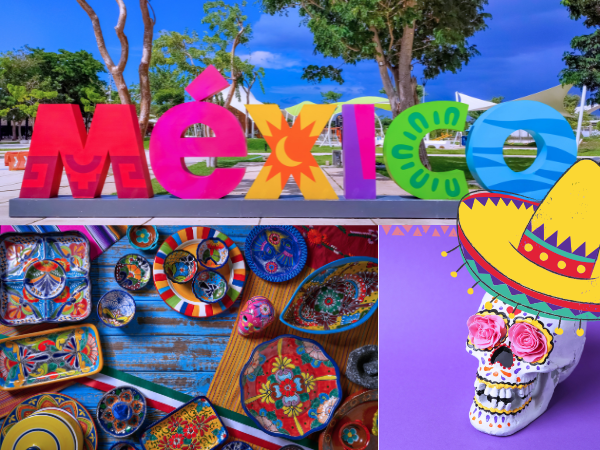
🇲🇽 Mexico: Culture-driven, emotional branding
Mexican brands thrive on identity, heritage, and storytelling.
Telcel
Combines modern tech with traditional culture
Uses music, folklore, and national pride in campaigns
Makes innovation feel local and relatable (Mexicada)
👉 Lesson: People connect deeply when they see themselves in your brand.
Lotería Nacional
Uses traditional imagery and cultural symbolism
Turns a simple lottery into a cultural experience (Mexicada)
👉 Lesson: Branding isn’t just selling—it’s storytelling rooted in identity.
Small Business Scene (Mexico)
Even small Mexican brands:
Use handcrafted aesthetics
Lean into tradition (colors, textures, folklore)
Build emotional authenticity
👉 They don’t try to look “global”—they double down on being local.
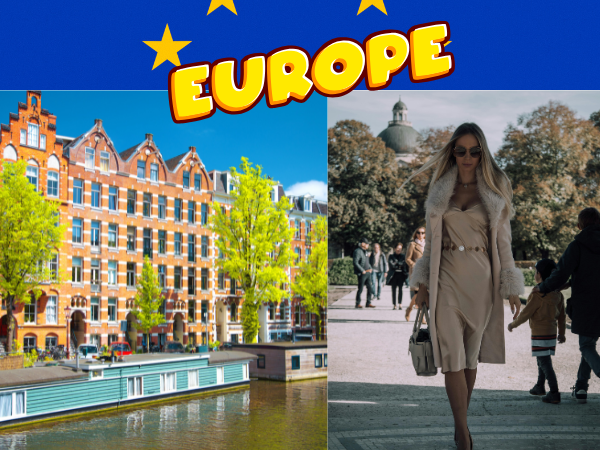
🇪🇺 Europe: Precision, positioning, and bold identity
European branding often focuses on:
Strong positioning
Clear messaging
Design minimalism (or bold conceptual campaigns)
MediaMarkt
Known for bold, almost aggressive campaigns
Slogan: “I’m not stupid” (translated across markets)